
Sencha cup color
What Color Should Sencha Tea Be
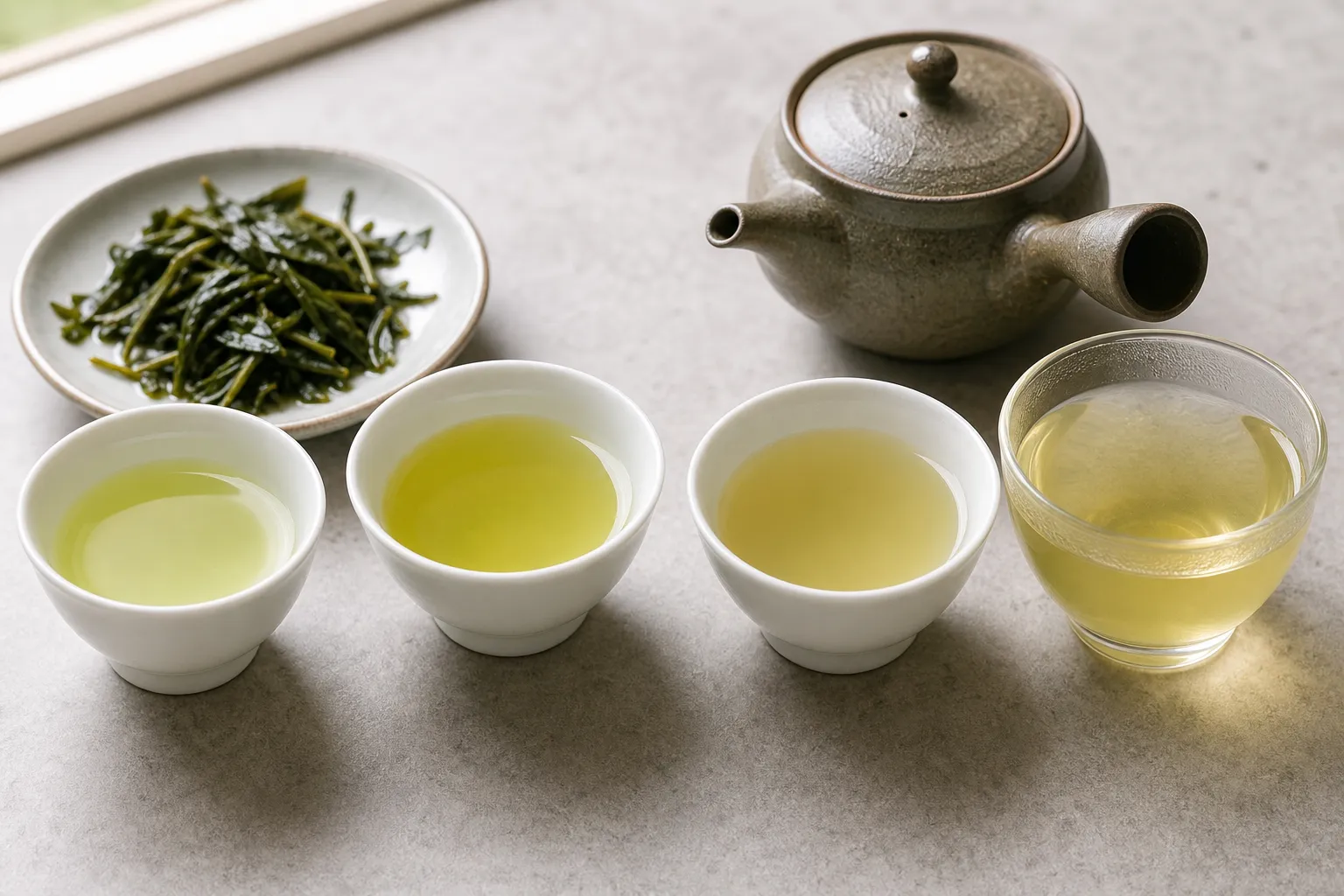
Sencha in the cup does not have one exact shade. The practical answer to what color should sencha tea be is this: look for a clear to lightly cloudy liquor in the pale green, yellow-green, soft golden-green, or gentle bright green range, then check whether the aroma and taste match.
A vivid green cup can be normal. A paler yellow-green cup can also be normal. Color alone cannot prove quality, freshness, antioxidant content, or any body effect; for this question, it is best treated as a brewing clue.
upward
Start with the broader guide
Use the broader guide first if you need the full scope before this page.
The Useful Color Range For Sencha
A brewed sencha appearance often sits between pale green and yellow-green. In a white cup or clear glass, the liquor may look grassy, faintly golden, lightly cloudy, or clean and translucent. That range is more useful than chasing a single “correct” green.
The same tea can look different as it cools. A cup that looked bright just after pouring may seem duller a few minutes later, especially under warm indoor light. A thin porcelain cup, a clear mug, and a dark interior teacup can also change what your eye sees. Check the tea against a light background before assuming the leaf is the problem.
A deeper green cup is not automatically better. It may come from more leaf particles, a stronger infusion, a particular sencha style, or simple lighting. A very pale cup is not automatically weak either; it may be a lighter steep that still tastes sweet and clean.
The better question is whether the color fits the cup. If the liquor is green-yellow and smells fresh, grassy, marine, vegetal, or gently sweet, the appearance is not a warning by itself. If it is dark amber, flat-smelling, and sharply bitter, then color becomes part of a brewing or storage check.
Why Sencha Color Changes
Sencha color in cup is shaped by ordinary brewing choices. Without a strong public source set for exact sencha color standards, these should be read as practical variables rather than fixed rules.
Water temperature
Hotter water can draw a stronger cup, and many green tea drinkers notice more bitterness when sencha is brewed too hot. If the liquor looks darker than expected and tastes harsh, the kettle is the first place to look.
Steep time
A short infusion may look pale and taste lighter. A longer infusion may bring more body, more suspended material, and more astringency. If the cup moves from soft green toward dull yellow-brown while the taste turns rough, the steep may have gone too far for that leaf.
Leaf quantity
More loose-leaf in the same amount of water can make the liquor look fuller, greener, or cloudier. Less leaf can make the cup look cleaner but taste thin. Read the color beside the recipe: leaf amount, water amount, brewing temperature, and steep time.
Storage impression
Storage can affect the impression, but it should not be overstated. “Fresh,” “premium,” and “deep green” are market words unless the tea also shows good aroma, clean storage, and balanced brewing behavior. A storage tin that protects leaf from air, heat, moisture, and strong odors may help preserve aroma; color alone cannot confirm that storage was ideal.
Smell the dry leaf. Taste the cup.
Clear, Cloudy, Bright, Dull: What The Cue Means
Clear
A clear sencha liquor can be perfectly normal. It may suggest a gentle pour, fewer fine particles, or a lighter extraction. If the aroma is lively and the taste is balanced, clarity is not a flaw.
Lightly cloudy
A lightly cloudy cup can also be normal. Fine leaf fragments and suspended material may make the liquor look hazy, especially when the last part of the pot is poured. Cloudiness should be read with texture and taste; soft body is different from muddy flavor.
Bright green
A bright green cup draws attention, but it should not be treated as automatic proof of better tea. Some drinkers expect sencha to look vivid because they connect green tea with fresh leaf color or matcha-like intensity. Sencha is an infused leaf tea, not powdered matcha, so the liquid does not need to look opaque or thick.
Dull yellow, amber, or brownish
A dull yellow or amber cup needs a slower check. It may come from over-steeping, hotter water, older leaf, storage loss, a later infusion, or the cup and lighting. If the aroma is stale, flat, or cardboard-like, storage becomes a stronger suspect. If the aroma is clean but the taste is too bitter, brewing method may be the easier fix.
A brownish cup is not the usual image most people expect from sencha, but avoid making a one-color judgment. Ask what happened before the pour: Was the water boiling? Did the leaves sit too long? Was this a second or third infusion? Was the tea stored open near heat or kitchen smells?
The cup records conditions.
Common Confusion Around Green Tea Liquor Color
The biggest confusion is treating green as a quality score. A greener liquor may look appealing, but sencha liquor color is not a lab result. It does not confirm origin, grade, harvest date, careful processing, or better wellness value.
Another confusion is comparing sencha directly with matcha. Matcha is powdered tea suspended in water, so its color comes from the powder itself. Sencha is steeped leaf; the brewed green tea appearance is usually more transparent and less opaque. Expecting sencha to look like matcha can make a normal cup seem disappointing.
There is also a comparison problem with other green teas. Longjing Dragon Well, for example, is often noticed for its flat leaves and different cup character. Sencha has its own leaf shape, processing context, and brewing habits. A sencha cup does not need to match another green tea’s shade to be well prepared.
The final confusion is wellness language. Caffeine, alertness, and general green tea nutrition are common reader interests, but they do not answer this visual brewing question. A greener cup should not be used as proof of a stronger body effect. Keep the reading sensory: liquor, aroma, mouthfeel, bitterness, and aftertaste.
A Simple Way To Evaluate Brewed Sencha Appearance
Step 1
Look before tasting
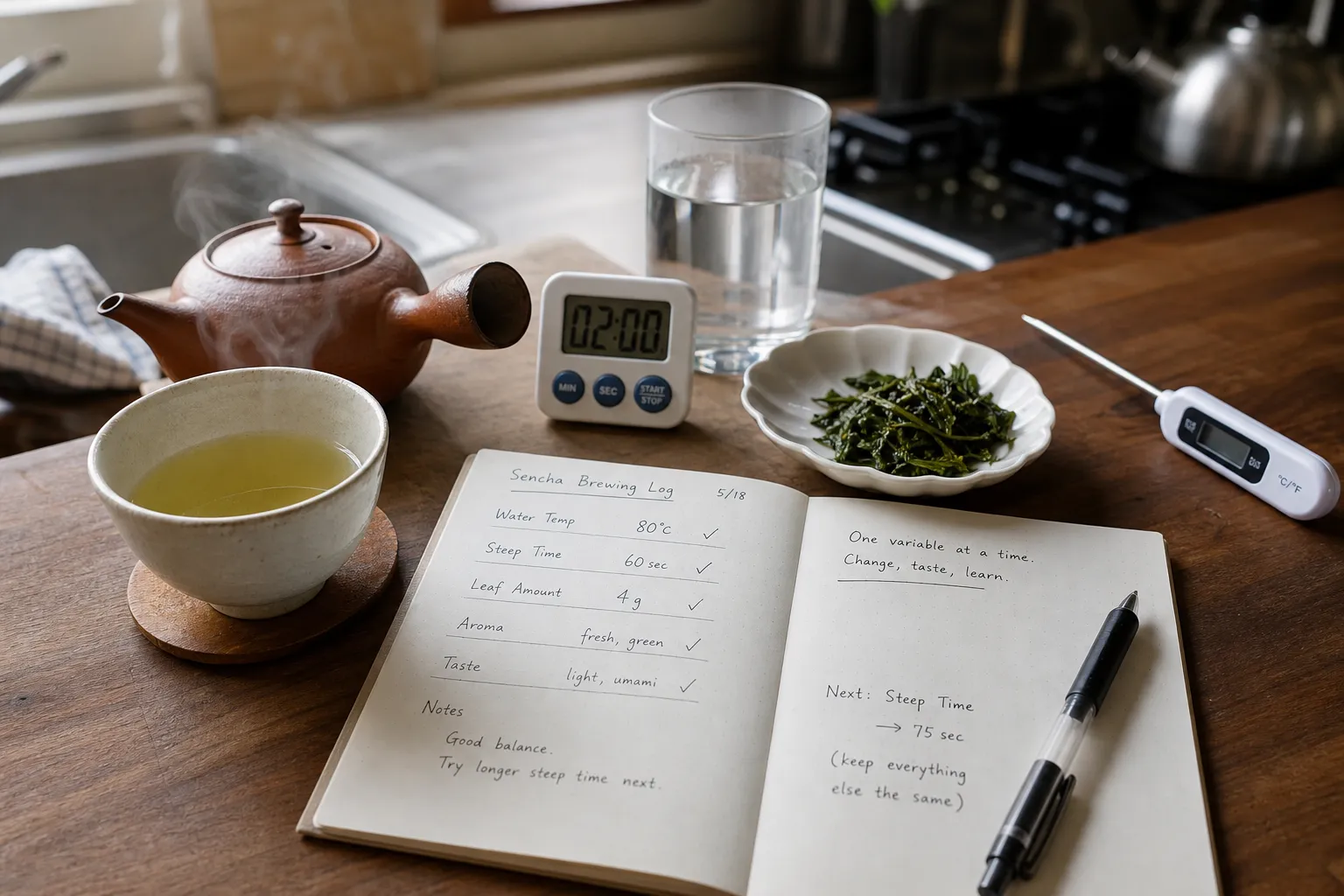
Use the cup like a small brewing log. Pour the sencha into a light-colored cup or clear glass, then look before tasting. Name the shade in plain words: pale green, yellow-green, bright green, cloudy green, golden-green, dull yellow, or amber.
Step 2
Taste once
If the cup is pale but sweet, grassy, and clean, the color may be fine for that brew. If the cup is deep and pleasant, it may simply be a fuller infusion. If the liquor is dark and the taste is harsh, adjust the next steep before judging the leaf.
Step 3
Change one condition
For the next cup, change only one condition. Lower the water temperature, shorten the steep, or reduce the leaf amount slightly. If the color becomes lighter and the bitterness drops, the first cup was probably a preparation issue. If every cup looks dull and smells flat despite careful brewing, storage or leaf age becomes a more reasonable question.
Keep notes small. “Too hot, bitter, darker yellow” is enough. “Cooler water, softer green, cleaner finish” is enough. Sencha sweetness changes with water and time.
Where The Evidence Limit Matters
This page does not have selected public sources to support exact color standards for sencha. That matters because the answer should not pretend there is one official shade, one universal freshness signal, or one color-based quality test.
The practical boundary is simple: color can guide your next brew, but it cannot carry the whole judgment. Sencha tea in the cup should be read with smell, taste, recipe, vessel, and storage context. A pleasant green-yellow liquor with balanced taste is a useful sign. A darker, duller, bitter cup is a reason to adjust water or time.
Do not buy or reject tea on color words alone. “Bright,” “fresh,” “premium,” and “deep green” need support from the leaf, aroma, storage condition, and how the tea behaves when brewed. Read the leaf before the claim.
Short Answer To Keep Beside The Kettle
Sencha should usually look pale green, yellow-green, soft golden-green, or lightly cloudy green. The exact shade is not the main test; clean aroma and balanced taste matter more.
If it looks dark amber, dull, or unusually brown and also tastes harsh or flat, try a cooler or shorter steep before blaming the tea. One better cup starts with one changed variable.