
Reader Policy
Green Tea Wellness Boundaries
projectgreentea discusses green tea as a drink, ingredient, cultural practice, and everyday brewing choice. When a page mentions antioxidants, caffeine, focus, calm, or energy, those notes are general context for readers who are comparing cups and routines. They are not legal advice, diagnosis, treatment guidance, or a promise that green tea will produce a specific health result.
Sensory claims stay close to what can be observed: leaf shape, powder texture, liquor color, aroma, bitterness, umami, astringency, storage condition, water temperature, and steeping time. Wellness-adjacent language is kept cautious because individual responses to caffeine, diet, medication, pregnancy, sleep, anxiety, and health conditions can vary.
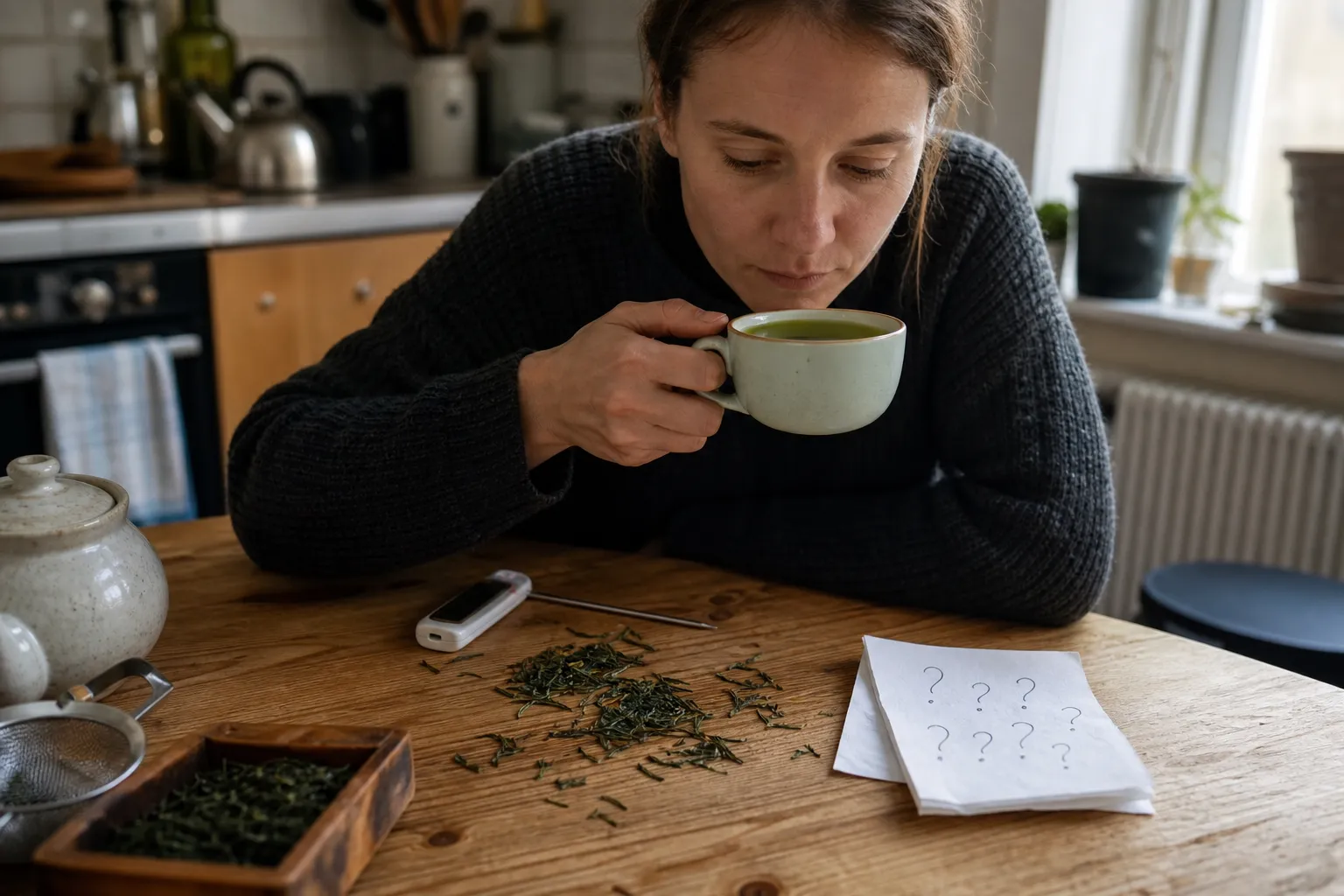
What this page means in practice
- No treatment claims: green tea is not presented here as a cure, detox, disease prevention method, weight-loss guarantee, or replacement for professional care.
- Caffeine varies: matcha, sencha, Longjing, leaf amount, water temperature, and serving size can change how a cup feels to a drinker.
- Antioxidant context is limited: pages may mention tea compounds in general terms, but they do not convert that context into clinical advice.
- Personal limits matter: readers with health concerns, medication questions, pregnancy-related questions, or caffeine sensitivity should rely on qualified medical guidance.