
Cup diagnosis
Why Sencha Tea Tastes Grassy
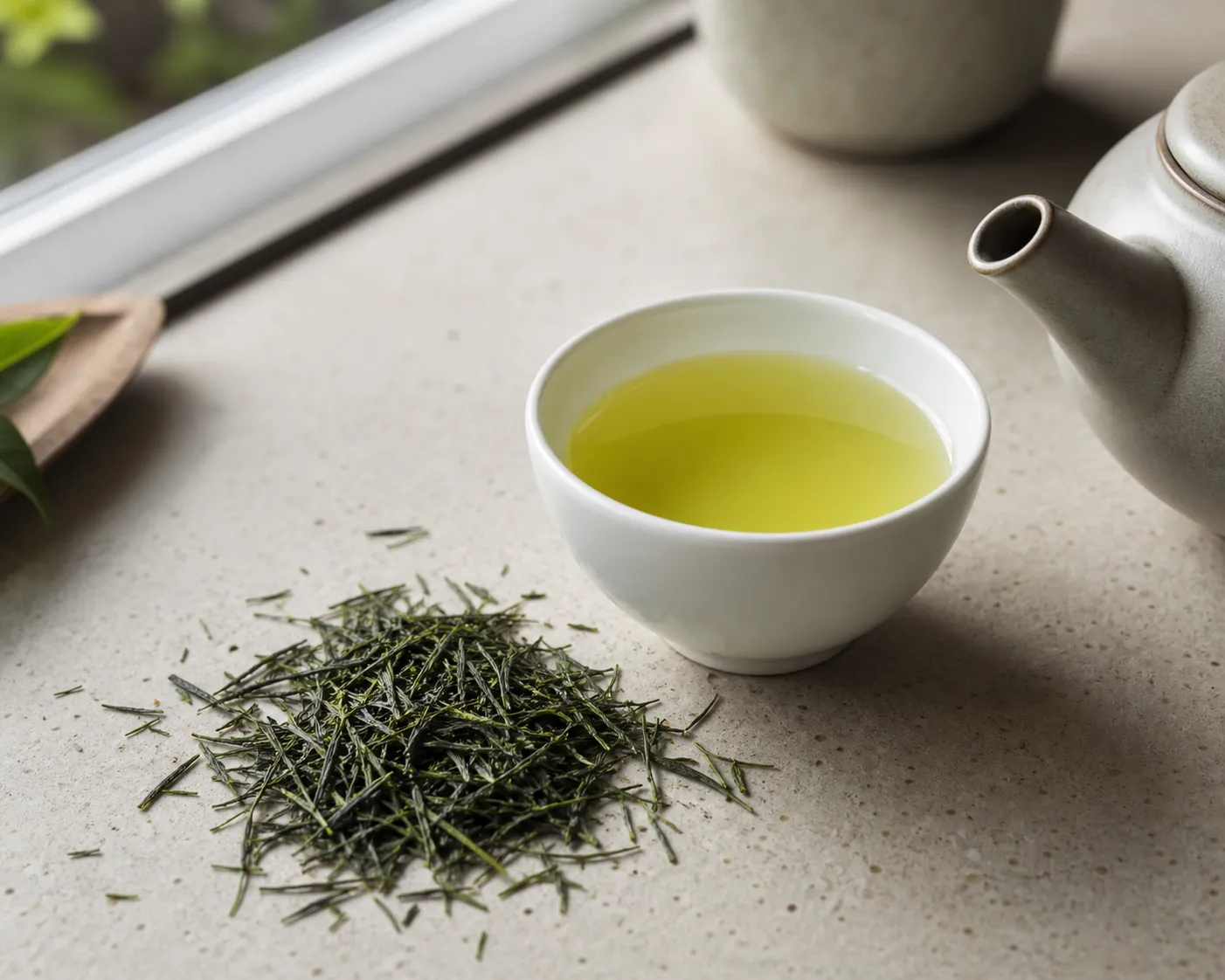
Sencha tastes grassy when its fresh, steamed, vegetal side becomes the loudest part of the cup. Sometimes that is pleasant: a clean green aroma, pale yellow-green liquor, light sweetness, and a spring-leaf finish. It turns unpleasant when the same note becomes sharp, bitter, flat, or lawn-like.
The practical answer to why sencha tea tastes grassy is usually not one cause. It is the meeting point of leaf style, freshness, storage, water temperature, leaf amount, and steeping time.
Because this page has no usable public reference links to show, the guidance stays narrow and practical. It is a cup diagnosis, not a technical claim about a specific producer.
upward
Read the full overview first
Use the broader guide first if you need the full scope before this page.
Grassy Is Not Always a Defect
A grassy sencha flavor can simply mean the tea is showing its green tea character. Sencha often sits closer to steamed greens, young leaves, sea air, and fresh herbs than to roasted nuts, dark fruit, or caramel. That green edge is part of the style.
The better question is not “Should sencha taste grassy?” but “What kind of grassy?” A fresh green tea flavor usually has lift. It smells bright before the first sip, feels lively on the tongue, and may leave a gentle sweetness or savory finish after the astringency fades.
Harsh grassiness feels narrower. It can suggest raw stems, wet lawn, overcooked greens, or a bitter green edge that covers the tea’s sweetness.
Look at the cup before changing everything. Pale yellow-green liquor with a clear aroma points in a different direction from a dark, murky brew that tastes bitter and drying. A cup that smells fresh but tastes rough may be a brewing issue. A cup that smells dull before you sip may be more about storage or leaf condition.
One observation first. Then adjust.
Cup Clues That Point to Brewing
Water temperature is the first place to check when sencha tastes vegetal in a harsh way. Hotter water can pull out more intensity, bitterness, and drying texture. That does not make hot water wrong in every case, but it can turn a fresh grassy note into a sharp one, especially with fine or broken leaves.
If the aroma is appealing but the finish is bitter, try cooler water before blaming the tea. A modest drop in sencha water temperature often changes the balance more clearly than a new teapot or cup. The grassy note may still be there, but it can sit under sweetness instead of standing in front of it.
Steeping time is the second variable. Sencha can move quickly from bright to heavy. A short infusion may taste green, sweet, and lightly savory; a longer one may become stronger, more astringent, and more obviously grassy. If the second half of the sip feels rough at the sides of the tongue, the steep may have run too long for that leaf.
Leaf amount matters too. Too much leaf in too little water can make even good sencha taste crowded. The liquor may turn dense, the aroma may feel compressed, and the fresh green taste may read as aggressive rather than clean. Too little leaf can create the opposite problem: thin liquor with a vague grassy taste and not enough sweetness to support it.
Change one variable at a time
- If the cup is bitter and grassy, lower the water temperature first.
- If it is thick and drying, shorten the steep.
- If it is intense from the first sip, reduce the leaf amount slightly.
Let the kettle explain the bitterness before you replace the tea.
When the Leaf Is Driving the Flavor
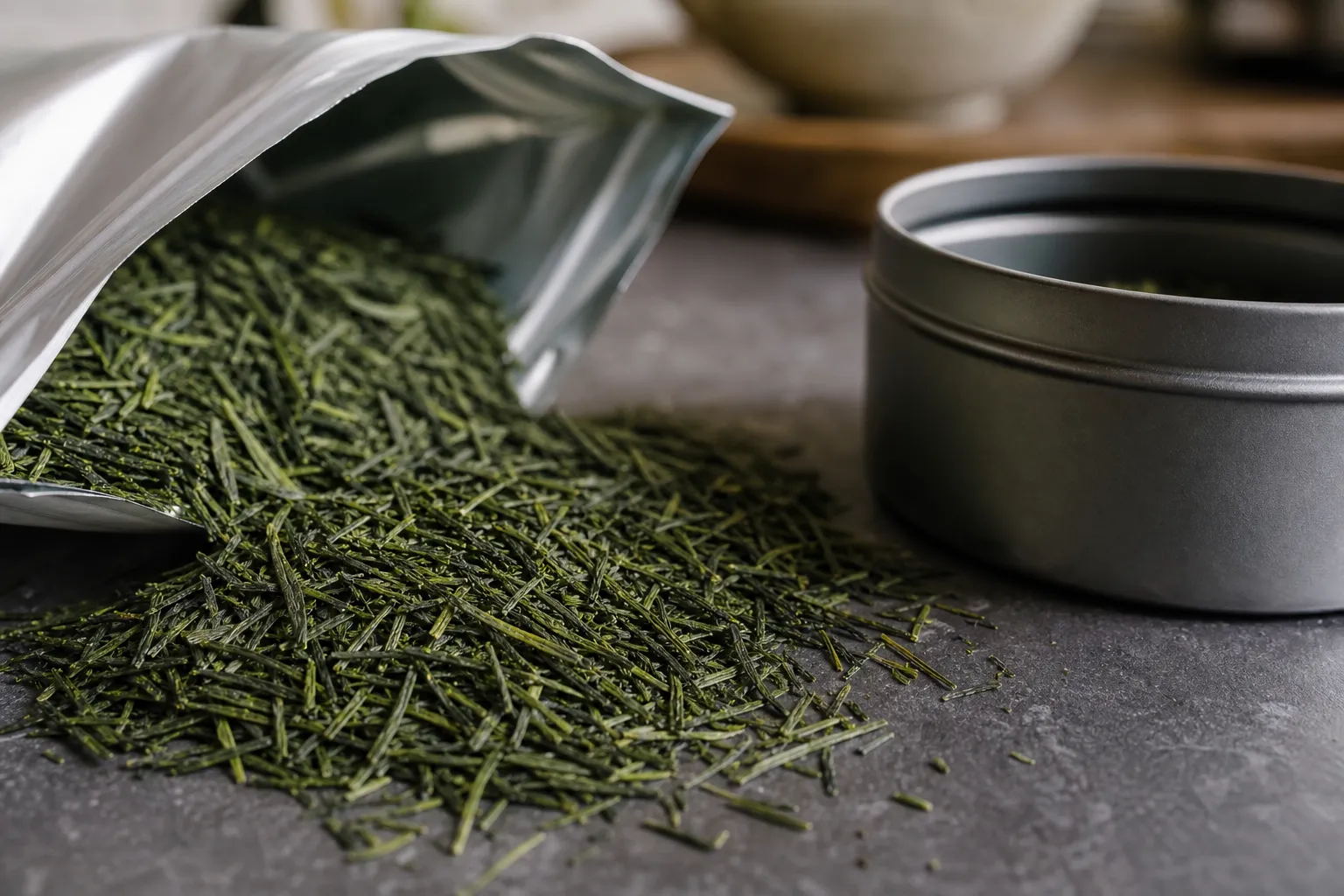
Sometimes the grassy sencha flavor comes from the leaf, not your brewing. Dry leaves can give useful clues before water touches them. They may smell fresh, sweet, marine, and green; or they may smell muted, dusty, stale, or oddly flat. Those impressions are not a formal grade, but they help you decide whether the problem starts in the storage tin.
Leaf freshness and sencha are closely connected in the cup, but freshness language can be slippery. “Fresh” on a package or shop description does not prove the cup will be sweet or balanced. What matters at home is observable: aroma when the bag opens, color and shape of the dry leaf, how quickly the liquor becomes bitter, and whether the brewed leaf smells lively or tired.
Storage condition can push green tea toward dull grassiness. Opened tea exposed to air, warmth, light, or kitchen odors may lose the bright top notes that make vegetal flavor feel pleasant. What remains can taste flatter: green without sweetness, grassy without lift, astringent without clarity.
Better storage cannot rescue already tired tea, but it can protect a tea that still has aroma to preserve. Keep opened sencha sealed, cool, dry, and away from strong smells. A small airtight tin or well-closed inner pouch is more useful than a decorative container that leaks air.
If the dry leaf smells like the cupboard, spice drawer, or refrigerator, the cup may taste grassy for reasons that have little to do with the tea’s original style.
The leaf speaks before the steep.
Steaming Style and the Vegetal Side of Sencha
Sencha is commonly associated with a steamed green character, but this page should not overstate processing details without stronger public sources. As a practical tasting frame, different sencha styles can feel more delicate, more brothy, more marine, or more deeply vegetal in the cup. Some will naturally taste greener than others.
This is where “grassy” and “vegetal” split. Vegetal can be neutral or positive: spinach, green bean, tender greens, fresh herbs, seaweed-like savoriness. Grassy can also be positive when it means fresh, spring-like, and clean. It becomes negative when it suggests raw lawn clippings, bitterness, or stale green matter.
A more intensely green sencha is not automatically worse. A softer, sweeter one is not automatically better. The useful comparison is fit: do you want a bright cup with clear green edges, or a calmer brew with more sweetness and less bite? Sencha sweetness changes with water and time, so preference should be tested in the cup rather than assumed from a label.
Fine particles can also affect texture. A tea with more small fragments may brew faster and feel stronger sooner. The liquor can become cloudy, and the grassy impression may seem heavier. That does not make the tea unusable, but it asks for attention: cooler water, shorter time, or a gentler pour may keep the cup from becoming rough.
If the tea tastes green but balanced, it may simply be doing what that sencha does. If it tastes green and punishing, brew it more softly.
A Short Check Before You Blame the Tea
Use this compact check when green tea tastes grassy and you are not sure why:
Fresh aroma, bitter finish
Likely direction to check: water too hot or steep too long.
First adjustment: lower temperature or shorten time.
Thick, drying, very green liquor
Likely direction to check: too much leaf or too long a steep.
First adjustment: use less leaf or pour earlier.
Dull dry-leaf smell
Likely direction to check: storage or age may be involved.
First adjustment: check container, air exposure, and aroma.
Pleasant greens, light sweetness
Likely direction to check: normal sencha character.
First adjustment: keep the method and note it.
Murky liquor with sharp grassiness
Likely direction to check: fine particles or over-extraction.
First adjustment: use gentler parameters.
This table is not a grading system. It keeps the diagnosis grounded in what you can see, smell, and taste. A single cup can have more than one cause: old leaf brewed too hot will taste different from fresh leaf brewed too hot, and both may be described as grassy by a frustrated drinker.
If you only make one change, make it small. Slightly cooler water. A slightly shorter steep. A little less leaf. Sencha often responds more clearly to careful adjustment than to dramatic correction.
Small changes protect sweetness.
Common Confusion Around Grassy Sencha
One common mistake is treating every grassy note as a flaw. That can lead people to chase a sencha that does not taste like sencha at all. If you want roasted, nutty, or deeply mellow flavors, another Japanese green tea style or a different green tea category may be a better fit. Sencha’s green edge is part of why many people drink it.
The opposite mistake is excusing every harsh cup as “freshness.” Fresh green tea flavor should still have shape. It may be brisk, but it should not feel like the tea is scraping the mouth. If the cup is all bitterness, dryness, and raw grass, the brewing method deserves attention.
Marketing words can add to the confusion. Terms such as premium, spring, fresh, umami, and deep green may help describe expectations, but they do not prove what will happen in your cup. A sourcing cue is useful only when it connects to observable leaf and brewing behavior.
Read the leaf before the claim.
Wellness language should stay separate from taste diagnosis. Sencha contains caffeine, and some drinkers include it in daily routines for alertness or focus, but that does not explain a grassy flavor. Antioxidant talk belongs in cautious general context, not in the decision about whether your water was too hot or your storage tin was loose.
Taste first. Claims later.
The Evidence Limit on This Page
The available research material for this article did not provide usable public links, professional tasting logs, brewing tests, storage studies, or processing references. For that reason, this page avoids presenting detailed chemistry, harvest rules, or production claims as settled evidence. It also does not fill the reference list with weak commercial pages just to look complete.
The guidance is intentionally narrow: it connects the reader’s cup impression to common practical variables that can be observed at home. Leaf aroma, liquor color, bitterness, astringency, sweetness, water temperature, leaf amount, steep time, and storage condition are the working tools here.
Before final publication, a stronger version of this page would benefit from authoritative or near-authoritative references on Japanese green tea processing, sencha sensory vocabulary, brewing variables, freshness, and storage. Those sources should support the limits of the explanation without turning this single question into a technical processing article.
For now, the honest answer remains practical: grassy sencha may be normal, over-brewed, stale, storage-affected, or simply greener than your preference. The next cup should tell you which.
What to Try in Your Next Cup
Brew the same sencha again with one controlled change. If the first cup was sharply grassy, use slightly cooler water and keep the steep shorter. If it was thick and drying, reduce the leaf amount. If the dry leaves smelled flat before brewing, check whether the package has been open too long or stored near heat, light, air, or strong kitchen aromas.
Then compare only three things: aroma before sipping, bitterness in the middle of the sip, and sweetness after swallowing. If the grassy note becomes fresher and less harsh, the issue was probably preparation. If it stays dull and flat across careful brews, the leaf or storage condition is more likely involved. If it remains green but pleasant, you may simply be tasting sencha’s vegetal side.
The best next step is not a bigger theory. Brew one calmer cup and watch what changes.