
Sencha tasting notes
What Does Sencha Tea Taste Like
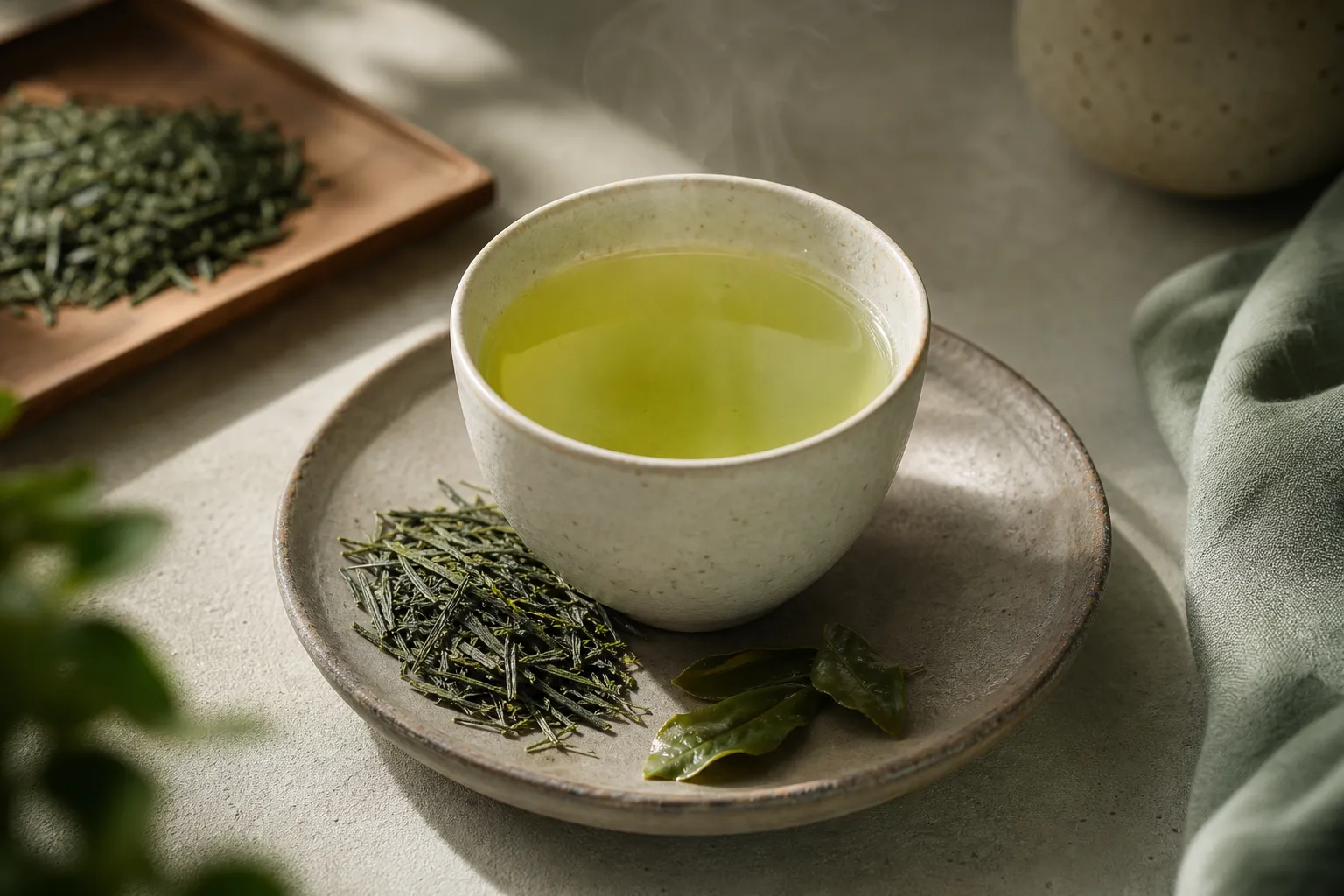
Lift the lid on a warm cup of sencha and the first signal is usually green: fresh-cut grass, tender vegetables, a little sea-breeze savoriness, and a clean finish that can turn brisk if the leaf is pushed too hard. The short answer to what does sencha tea taste like is this: sencha often tastes grassy, vegetal, lightly sweet, and gently savory, with a noticeable edge of astringency.
That edge is part of the cup. A balanced sencha is not only soft; it can have snap, brightness, and a lightly drying finish. If the water is too hot or the steep runs too long, the same leaf can move from fresh and rounded to sharply bitter. Sencha sweetness changes with water and time.
upward
Read the full overview first
Use the broader guide first if you need the full scope before this page.
The Core Sencha Flavor
Sencha is usually described through green, fresh notes rather than roasted, floral, or nutty ones. In the cup, that can mean young spinach, steamed greens, garden herbs, fresh grass, or a clean vegetable broth. Some sencha tastes more marine and savory; some feels lighter, brighter, and more lemony-green in the finish.
“Grassy” can sound like a flaw if you expect black tea, oolong, or roasted green tea. With sencha, a grassy taste is often part of the expected profile. It should feel vivid and fresh, not musty, flat, or stale. Fresh grass is different from old lawn clippings. One feels alive; the other points toward age, storage, or a tired leaf.
Umami
The savory side is often called umami. In everyday tasting language, sencha umami can show up as brothiness, softness, or a rounded green depth under the brighter notes. It is not the same as saltiness, and it does not need to feel heavy. In many cups, umami is a quiet base note; it gives the tea more body before the finish tightens.
Gentle sweetness
A gentle sweetness may appear after the first green impression. It is usually not sugary. Think sweet pea, fresh corn, tender greens, or a light nectar note that becomes easier to notice as the cup cools. If you are used to sweetened bottled tea, plain sencha may seem less sweet than expected. Its sweetness is subtle and tied closely to balance.
Astringency
The finish often brings astringency. Sencha astringency is the drying, slightly puckering feeling along the tongue and cheeks. It is not automatically a defect. In a balanced cup, it gives shape and refreshment. When it dominates, the tea can feel harsh, thin, or scratchy.
Aroma, Color, and Mouthfeel
Sencha tea aroma often appears before the first sip. The dry leaf may smell green, leafy, and faintly sweet. Once water hits the leaf, the aroma can become warmer and more vegetal, like steamed greens or a light green soup. Some cups smell especially fresh; others are quieter and more restrained.
The wet leaf can tell you more than the first sniff of the dry tea. If the brewed leaves smell bright, green, and clean, the cup often follows that direction. If they smell tired, dusty, or sharply cooked, the taste may be less lively. This is only a sensory cue, not a complete quality verdict, but it helps you read the leaf before judging the cup.
Sencha tea color can range from pale yellow-green to a deeper cloudy green, depending on the leaf, cut, and preparation. A brighter green cup may suggest freshness, but color alone does not prove flavor. A pale infusion can still taste elegant, and a deeper green liquor can still turn bitter if brewed roughly.
Mouthfeel is where sencha becomes easier to understand. A balanced cup may feel smooth at first, then lightly drying. A more assertive cup may feel thick and savory, then brisk. A poorly handled brew may feel hollow in the middle and bitter at the edges. Notice not only the flavor, but where it lands: front-of-tongue sweetness, middle-palate savoriness, or finish-level dryness.
Why Sencha Can Taste Sweet, Bitter, or Brisk
The same sencha can taste different from one session to the next because preparation changes the balance. Without turning this into a lab-style rule, the practical pattern is simple: hotter water and longer steeping commonly make sencha taste stronger, more astringent, and more bitter.
Hot water can make sencha taste bold and immediate. It may pull out more body and green intensity, but it can also sharpen the bitter edge. If the cup tastes like cooked weeds, harsh greens, or an unpleasant medicinal bitterness, the water may have been too aggressive for that leaf. Let the kettle explain the bitterness before blaming the tea.
Longer steeping moves in a similar direction. More time usually means more extraction, and more extraction can bring out both pleasant depth and roughness. A longer steep may make the cup more savory and full, but it may also flatten the sweetness and leave a stronger drying finish. Time is not only strength; time changes balance.
Leaf amount matters too. A heavier dose can make sencha taste concentrated, dense, and brothy. That may be enjoyable if the water and timing are gentle. With very hot water or a long steep, the same generous leaf amount can feel crowded and bitter. When a cup tastes too intense, adjust one variable at a time: slightly cooler water, shorter steep, or less leaf.
Water character can also shift the impression. Very hard or strongly flavored tap water may blur the fresh green notes. Soft, neutral-tasting water often lets the aroma feel clearer. This is not a demand for special equipment; it is a reminder that sencha is sensitive enough for water to show.
Cup temperature changes perception as well. A very hot sip can hide sweetness and emphasize sharpness. As the tea cools slightly, gentle sweetness and vegetal detail may become easier to notice. If the first sip seems too severe, wait a minute before deciding. The cup may soften.
Common Confusion About Sencha Taste
Sencha is not matcha
One common misunderstanding is that sencha should taste like matcha. Both are Japanese green tea experiences for many drinkers, but they do not drink the same way. Matcha is powdered tea suspended in water, so it can feel thicker and more concentrated. Sencha is infused leaf, so the cup usually feels clearer, lighter, and more transparent.
Sencha is not roasted green tea
Another confusion is with roasted green tea. If you expect nutty, toasted, or caramel-like notes, sencha may seem surprisingly green. Its steamed green tea flavor is usually closer to vegetables, grass, and savoriness than roasted grain. That freshness is part of the point, not a missing step.
Mild is not guaranteed
Some drinkers also expect green tea to be mild by default. Sencha can be mild, but it is not always soft. It can be brisk, drying, and assertive, especially when brewed with hotter water or left too long. Astringency is part of its structure. Bitterness is the warning sign to adjust.
Vegetal is not muddy
There is also a difference between “vegetal” and “muddy.” Vegetal green tea flavor should suggest fresh greens, herbs, or tender cooked vegetables. Muddy flavor suggests dullness, age, poor storage, or a brew that has lost clarity. If the tea tastes flat and brown-green rather than bright and fresh, the issue may not be the category; it may be the condition of the leaf or the way it was handled.
Marketing language can make expectations noisy. Words like premium, first harvest, or estate may help you ask better buying questions, but they do not let you taste the cup in advance. A sourcing cue can be useful; it cannot guarantee sweetness, umami, or freshness by itself. The cup still has to answer.
A Simple Way to Taste Sencha More Clearly
Start with three checkpoints: aroma, first sip, and finish. Do not rush to decide whether the tea is good or bad. Sencha often changes across those three moments.
-
Smell the dry leaf and then the wet leaf
Look for clean green aroma, a vegetal lift, or a soft savory note. If the aroma is faint, that does not automatically mean the tea will be poor, but it lowers the expectation for a vivid cup.
-
Take a small sip and ask what arrives first
Is it grassy freshness, gentle sweetness, broth-like umami, or immediate bitterness? A balanced sencha usually gives more than one note. It may open green, round out in the middle, and finish brisk.
-
Notice the aftertaste
If the finish is clean and lightly drying, the astringency may be doing useful work. If the mouth feels scraped or the bitterness lingers unpleasantly, make the next cup gentler. Lower the heat, shorten the steep, or use a little less leaf. One change is enough.
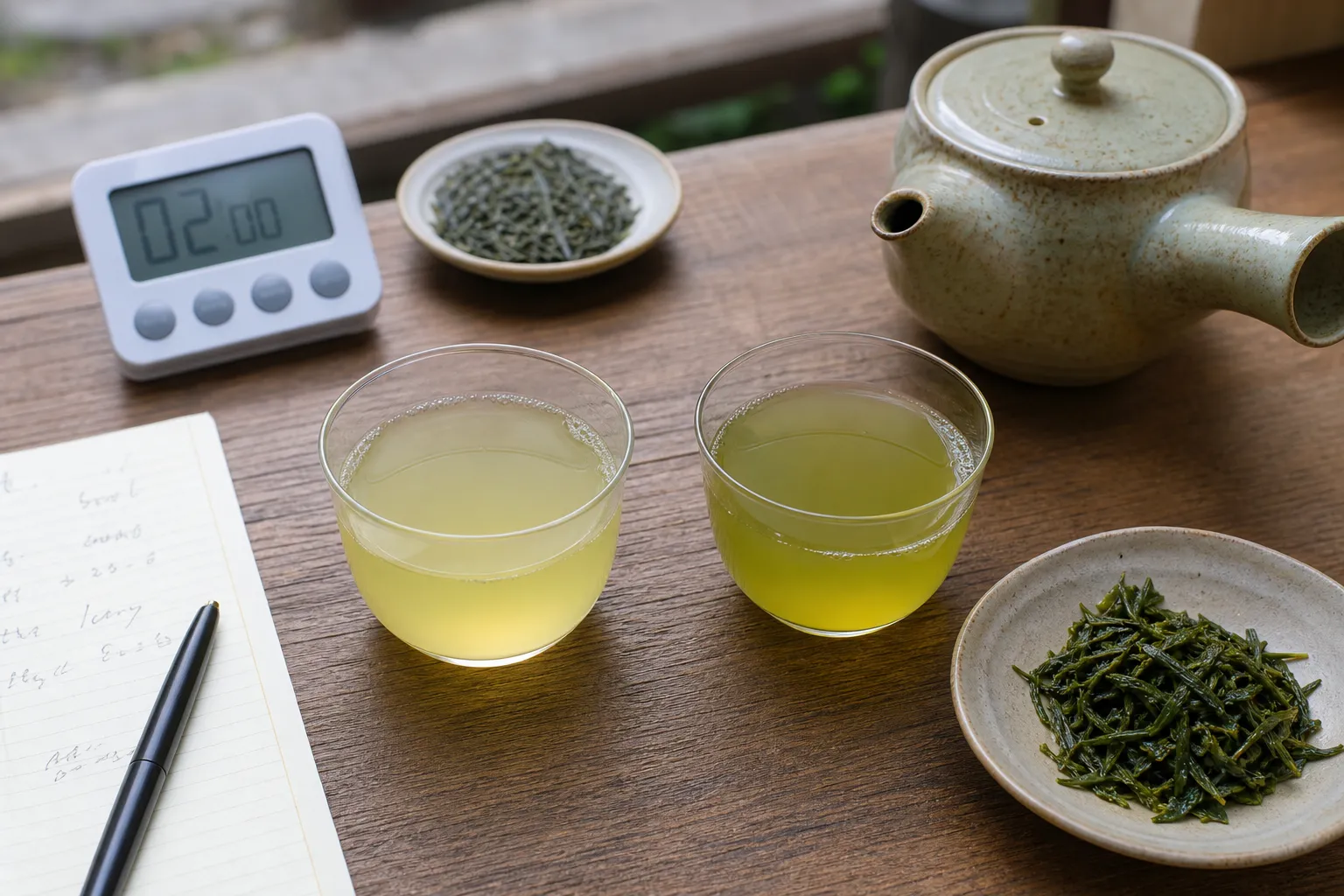
A small comparison can help: brew the same sencha once with a shorter steep and once with a slightly longer one. Keep everything else similar. The shorter cup may taste lighter, sweeter, and more aromatic. The longer cup may taste stronger, greener, and more drying. This is not a formal test; it is a practical way to learn the leaf.
Where the Answer Has Limits
Sencha does not have one fixed taste. Leaf style, freshness, storage, water, steep time, and personal palate all shape the cup. Without a specific tea in front of you, the most honest answer stays broad: expect grassy and vegetal freshness, some savory umami, possible gentle sweetness, and a finish that can range from cleanly brisk to noticeably bitter.
This page also keeps taste separate from health or energy language. Sencha contains caffeine as green tea generally does, and some drinkers notice how tea fits into their daily routine, but flavor is not a health outcome. A savory or bitter cup does not prove a stronger wellness effect. Taste is sensory evidence, not medical evidence.
The practical boundary is simple: if sencha tastes unpleasantly bitter, do not assume you dislike sencha as a whole. Adjust the water and time first. If it tastes fresh but too grassy, try a lighter infusion. If it tastes flat, check storage and age before chasing stronger brewing.
The next cup should answer one question: does the tea become sweeter and clearer when treated more gently? If yes, the leaf was asking for restraint. Taste the water, then taste the time.